
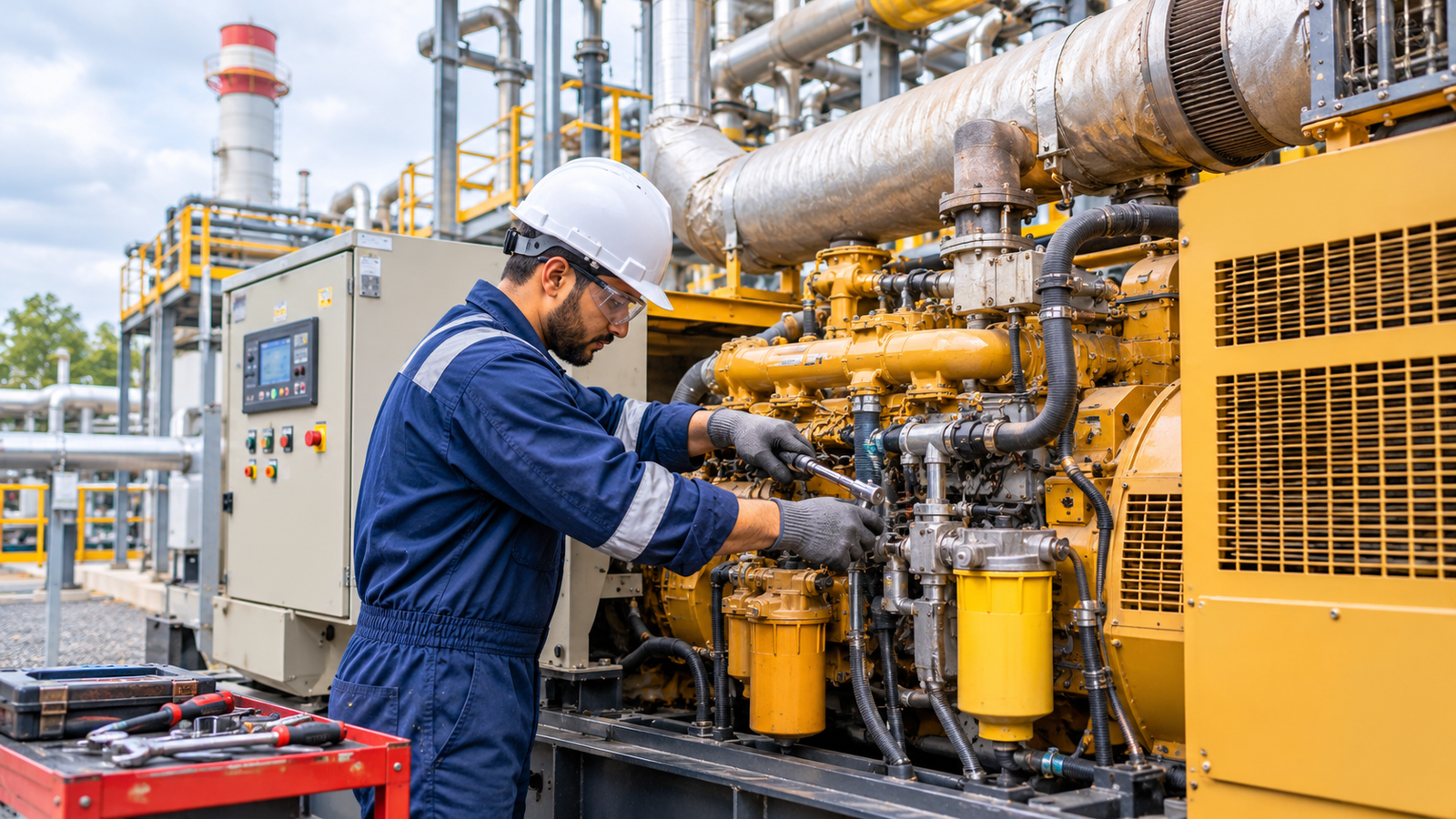

Gas-based power generation systems support industrial facilities, manufacturing plants and utility operations that require a consistent electricity supply. Their performance depends on the condition of engines, turbines, generators, electrical components and supporting equipment. Over time, continuous operation, mechanical stress and temperature fluctuations can affect these components. A planned gas fired power generators repair programme helps identify developing faults, restore equipment performance and reduce the risk of unexpected shutdowns. Understanding the inspection and maintenance procedures involved also helps plant operators make better decisions about equipment servicing and long-term reliability.
Why Regular Generator Inspection Matters
Gas-fired generators operate under demanding conditions. Their engines or turbines experience repeated thermal cycles, rotating forces and varying electrical loads. Small mechanical defects can develop into larger problems if they remain undetected.
Regular inspections help maintenance teams identify issues such as:
- Excessive vibration caused by rotor imbalance or misalignment.
- Bearing wear resulting from inadequate lubrication.
- Cracks or surface defects in rotating components.
- Insulation deterioration within electrical windings.
- Cooling system restrictions and temperature irregularities.
- Fuel system problems affecting combustion efficiency.
Inspection records also provide useful information about changes in equipment condition. Comparing vibration readings, temperature measurements, oil analysis results and electrical test data over time can help technicians recognise developing faults before they cause serious damage.
Common Problems That Affect Gas-Fired Generators
Several mechanical and electrical issues can reduce generator performance. Their causes often depend on operating hours, fuel quality, environmental conditions and maintenance history.
Bearing deterioration: Bearings support rotating shafts and help maintain stable operation. Insufficient lubrication, contamination and excessive loading can increase friction and operating temperatures. Worn bearings may also produce unusual noise and vibration.
Rotor imbalance: Uneven material distribution, deposits or component damage can disturb rotor movement. The resulting vibration places additional stress on bearings, couplings and connected equipment.
Electrical insulation failure: Generator windings are exposed to heat, electrical stress and environmental contamination. Deteriorated insulation can increase the risk of winding faults and unplanned outages.
Fuel and combustion irregularities: Changes in fuel quality, ignition performance or air supply can affect combustion. Poor combustion may lead to increased exhaust temperatures, reduced output and additional mechanical stress.
Accurate fault identification is necessary before selecting a repair procedure. Replacing components without investigating the underlying cause may allow the same problem to return.
The Role of Planned Maintenance in Generator Performance
A structured gas fired power generator maintenance programme should follow the equipment manufacturer’s instructions and account for actual operating conditions. Maintenance intervals may vary according to generator design, fuel composition, operating hours and load patterns.
Routine maintenance generally includes oil and filter inspections, cooling system checks, fuel system examination, spark plug servicing where applicable, and inspection of belts, hoses and electrical connections.
For larger installations, maintenance may also involve:
- Measuring bearing temperatures and vibration levels.
- Checking shaft alignment and coupling condition.
- Inspecting generator windings and insulation resistance.
- Examining rotor and stator components.
- Reviewing lubrication system performance.
- Testing protection devices and control systems.
Oil analysis can provide additional information about internal wear and contamination. Changes in metal concentrations, viscosity and other oil properties may indicate developing mechanical problems.
Maintenance schedules should not rely on operating hours alone. Load variations, frequent starts and stops, fuel contamination and unusual operating conditions can influence component deterioration. Monitoring equipment trends allows maintenance teams to plan inspections around the actual condition of the machinery.
Why Rotor Balancing Is Necessary After Mechanical Repairs
Rotating equipment must maintain an appropriate balance to limit vibration during operation. Even a small difference in mass distribution can generate significant centrifugal forces at operating speed.
Low speed horizontal balancing is one method used to assess and correct rotor imbalance. During this process, the rotor is supported horizontally on balancing equipment and rotated at a controlled speed. Measuring instruments identify the magnitude and position of the imbalance, allowing technicians to determine suitable correction measures.
The procedure may be relevant after rotor machining, component replacement, shaft refurbishment or other mechanical work that changes the rotor’s mass distribution.
Proper balancing can help:
- Reduce vibration transmitted to bearings and supporting structures.
- Limit unnecessary mechanical stress on rotating components.
- Improve shaft stability during operation.
- Reduce the risk of premature bearing deterioration.
- Support reliable operation following refurbishment.
Balancing requirements depend on rotor design, operating speed and the scope of repair. Large turbine generator rotors may require additional high-speed testing and specialised procedures. Engineers should follow the manufacturer’s specifications when determining the appropriate balancing method.
Detecting Hidden Defects Through Non-Destructive Testing
Some component defects cannot be identified through ordinary visual inspections. Cracks may develop beneath surfaces or around highly stressed areas, making specialised inspection techniques necessary.
Magnetic part testing is commonly associated with magnetic particle inspection, a non-destructive testing method used to identify surface and near-surface discontinuities in suitable ferromagnetic materials.
During the procedure, technicians magnetise the component and apply magnetic particles. Discontinuities can disturb the magnetic field, creating leakage fields that attract the particles and reveal possible defect locations.
This method can help inspect:
- Generator shafts and selected rotor components.
- Ferromagnetic couplings and mechanical parts.
- Welded areas and certain structural components.
- Other accessible steel components are exposed to mechanical stress.
Magnetic particle inspection requires appropriate surface preparation, equipment settings and qualified personnel. It cannot detect every type of internal defect, and it is not suitable for non-magnetic materials. Ultrasonic testing, eddy current testing or liquid penetrant inspection may be more appropriate for particular components and defect types.
Inspection results should be evaluated against applicable acceptance criteria before a component is approved for further use.
Repair Procedures That Support Equipment Reliability
A successful repair programme begins with a clear understanding of the fault. Technicians should review operating records, examine available inspection reports and carry out appropriate diagnostic tests before dismantling equipment.
Depending on the findings, repair work may include bearing replacement, shaft refurbishment, rotor balancing, winding repairs, insulation treatment, coupling correction and component reconditioning.
Electrical inspections are equally important. Stator windings, rotor windings, connections and insulation systems should be assessed using suitable testing procedures. Any damaged connections or insulation defects must be addressed before the generator returns to service.
After mechanical and electrical repairs, the equipment should undergo suitable verification tests. These may include insulation resistance measurements, winding assessments, vibration measurements, alignment checks and controlled operational testing.
Load testing can help confirm that the generator performs within its specified operating limits. Test results should be documented so that future maintenance teams have a reliable reference for performance comparisons.
Selecting a Suitable Generator Repair Specialist
Industrial generator repairs require technical knowledge, specialised equipment and experience with rotating machinery. Plant operators should assess a service provider’s ability to handle both mechanical and electrical inspection requirements.
Useful considerations include:
- Experience with gas-fired generator and turbine systems.
- Access to rotor balancing facilities.
- Availability of non-destructive testing services.
- Qualified personnel for electrical and mechanical inspections.
- Documented testing and quality assurance procedures.
- Familiarity with manufacturer specifications.
A service provider should also explain the inspection findings, recommended repair methods and testing requirements. Clear technical reports help plant operators understand the condition of their equipment and plan future maintenance activities.
Maintaining Reliable Power Generation Over the Long Term
Reliable generator operation depends on more than replacing damaged parts. It requires accurate fault diagnosis, suitable inspection methods, controlled repair procedures and consistent performance monitoring.
A planned approach to gas fired power generators repair helps operators address mechanical wear, electrical deterioration and rotor-related problems before they develop into major equipment failures. Combining routine maintenance with specialised balancing and non-destructive testing also provides a clearer picture of machinery condition.
For industrial facilities and power generation operators, working with experienced repair specialists can support safer equipment operation, better maintenance planning and more dependable electricity production.