
ByJohn A
Understanding Modern Orthopedic Care and Surgical Options
Orthopedic medicine covers a wide range of conditions involving bones, joints, muscles, ligaments, tendons, and the spine. From sports injuries and fractures to degenerative joint conditions, patients may require different forms of evaluation and treatment depending on the nature of their condition.
Modern orthopedic centres may combine specialist consultations, diagnostic imaging, minimally invasive techniques, rehabilitation, and surgical care within a coordinated system.
Understanding the available services can help patients prepare for discussions with orthopedic professionals.
What Does Orthopedic Care Cover?
Orthopedic care is not limited to surgery.
It can involve the evaluation and management of injuries, joint problems, fractures, sports-related conditions, degenerative changes, and spinal disorders.
Hong Kong Adventist Hospital’s Orthopedics & Spine service describes a broad range of orthopedic and traumatology services covering injuries, sports injuries, bone fractures, joint dislocation, osteoarthritis, ligament and tendon injuries, and joint replacement.
The appropriate treatment depends on the individual’s diagnosis and circumstances.
When Is Specialist Assessment Important?
Persistent pain, limited movement, an injury, or difficulty using a joint can have different causes.
An orthopedic specialist can assess the relevant body area, review medical history, perform an examination, and determine whether additional imaging or tests are appropriate.
A specialist assessment can therefore help distinguish between different potential causes rather than relying solely on symptoms.
Patients should avoid self-diagnosing an orthopedic condition based on online information.
Diagnostic Imaging
Imaging can play an important role in orthopedic evaluation.
The Hong Kong Adventist Hospital orthopedic centre notes that MRI scans may be arranged after consultation with an orthopedic doctor.
Imaging can provide additional information about structures such as joints, soft tissues, and the spine.
However, imaging results need to be interpreted alongside clinical findings. A scan alone does not necessarily determine the correct treatment.
Minimally Invasive Procedures
Modern orthopedic care includes minimally invasive approaches for certain conditions.
The hospital’s Orthopedics & Spine centre highlights minimally invasive technologies as part of its services.
Depending on the specific procedure, minimally invasive surgery may involve smaller incisions and specialized instruments.
Whether such an approach is appropriate depends on the condition, anatomy, procedure, and surgeon’s assessment.
Joint Replacement
Joint replacement is one area of orthopedic surgery used for selected patients with significant joint problems.
The hospital lists total hip replacement, total knee replacement, and robotic-assisted joint replacement among its orthopedic services.
Joint replacement is a major medical procedure and requires individual assessment.
Patients considering surgery should discuss potential benefits, risks, alternatives, recovery expectations, and rehabilitation requirements with their orthopedic surgeon.
Sports and Soft-Tissue Injuries
Sports injuries can involve muscles, ligaments, tendons, cartilage, and joints.
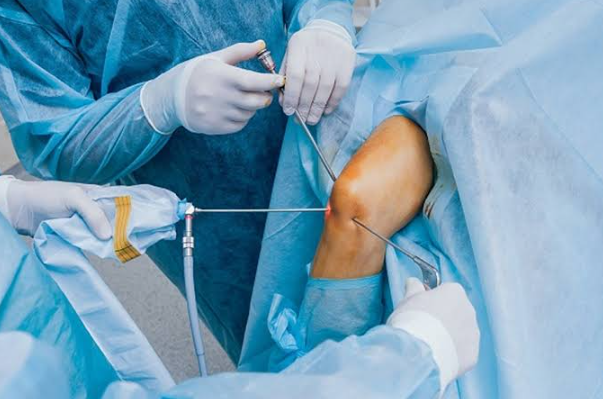
The orthopedic centre lists procedures including arthroscopic rotator cuff repair, tendon repair, knee arthroscopy, meniscal repair, cartilage repair, and ligament reconstruction.
The appropriate treatment depends on the type and severity of injury.
Some injuries may be managed without surgery, while others may require a procedure based on clinical findings.
Shoulder, Knee, and Hip Care
Large joints such as the shoulder, knee, and hip are frequently involved in orthopedic conditions.
Shoulder services can include arthroscopy, stabilization procedures, rotator cuff repair, and labrum repair.
Knee and hip services include arthroscopy, cartilage procedures, meniscal surgery, ligament reconstruction, and joint replacement.
The presence of a procedure on a service list does not mean it is appropriate for every patient. A specialist assessment is required.
Spine Services
Spinal conditions can involve different structures and may require highly specialized evaluation.
Hong Kong Adventist Hospital’s Orthopedics & Spine centre includes minimally invasive spine surgery among its service areas.
Spinal surgery should be considered carefully, with diagnosis, symptoms, imaging findings, previous treatments, and individual circumstances all taken into account.
Patients should discuss alternatives and expected recovery with their treating specialist.
Robotic-Assisted Surgery
Technology has become an increasingly visible part of modern orthopedic surgery.
The hospital describes robotic surgical systems and advanced imaging and navigation technologies among the equipment used by its orthopedic services.
Robotic assistance can support surgical planning and precision in selected procedures, but the suitability of any technology depends on the specific operation and patient.
Technology should be considered as part of the complete clinical approach rather than as a guarantee of a particular outcome.
Rehabilitation Is Part of Recovery
Surgery is only one stage of orthopedic care.
Rehabilitation may be important after many orthopedic procedures and injuries.
The hospital notes that orthopedic services, including rehabilitation, are located within its centre.
A rehabilitation plan can involve exercises, mobility work, strength development, and gradual return to daily activities depending on the condition and procedure.
Following professional rehabilitation instructions can support the recovery process.
Preparing for an Orthopedic Consultation
Before an appointment, it can be useful to prepare a list of symptoms, previous injuries, medications, relevant medical records, and questions.
If previous imaging has been performed elsewhere, ask whether those reports or images should be brought to the appointment.
Clear information can help the specialist understand the history of the problem.
Three Common Questions
1. Does every orthopedic problem require surgery?
No. Treatment depends on the diagnosis and individual circumstances. Some conditions may be managed with non-surgical approaches.
2. What is the role of MRI in orthopedic care?
MRI can provide detailed images of certain soft tissues and other structures. Whether it is needed depends on the clinical assessment.
3. What happens after orthopedic surgery?
Recovery varies by procedure and patient. Rehabilitation, follow-up appointments, activity modification, and other professional recommendations may form part of the recovery plan.
Conclusion
Modern orthopedic care combines specialist assessment, diagnostic imaging, surgical expertise, technology, and rehabilitation. The appropriate treatment depends on the individual condition rather than simply the availability of a particular procedure.
For patients researching specialist orthopedic services, centre for orthopedic surgery can provide an overview of the orthopedic and spine services available. Medical decisions should always be made with a qualified orthopedic professional after an appropriate evaluation.
