
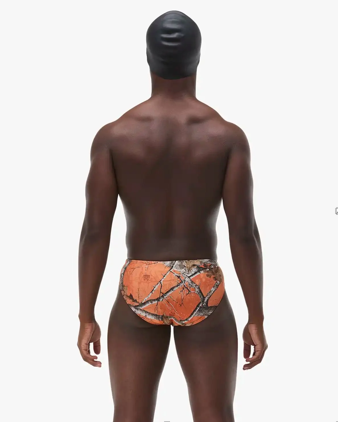

Competitive swimming requires swimwear that stays secure, allows unrestricted movement, and holds up through repeated pool sessions. The cut and construction of a swimsuit can influence comfort, drag, and how consistently it performs during training. For swimmers who prefer minimal coverage, competitive swim briefs offer a streamlined alternative to longer swimwear styles. Their compact design keeps excess fabric out of the way while providing coverage across the areas needed for swimming.
Men’s racing swim briefs are designed around movement in the water rather than casual poolside wear. A suitable pair should fit close to the body without restricting the hips or creating uncomfortable pressure around the waist and legs. Fabric quality also matters because regular exposure to chlorine, stretching, and repeated washing can affect a swimsuit over time. Understanding these details helps swimmers choose briefs that suit their training frequency, preferred fit, and performance requirements.
What Makes Competitive Swim Briefs Different?
Competitive swim briefs have a close-fitting silhouette that reduces excess material around the hips and upper thighs. Unlike loose swim shorts, they do not have additional fabric that can move or billow during swimming. This streamlined shape supports a consistent feel during starts, turns, kicking, and continuous laps. The design also allows swimmers to move their legs without fabric gathering around the thighs.
Training briefs and racing briefs may share a similar overall shape, but their construction and intended use can differ. Some are made for frequent pool sessions, while others emphasize a particular fit, fabric composition, or performance-oriented finish. Swimmers should look beyond appearance and consider how the garment behaves during movement. A well-chosen brief should remain in place without requiring constant adjustment.
Common characteristics of competitive swim briefs include:
- Minimal coverage: A compact cut provides coverage while keeping the upper legs free.
- Close-fitting construction: Stretch fabric follows the body’s movement rather than hanging loosely.
- Secure waistband: The waist should remain stable during starts, turns, and regular swimming.
- Leg openings: Properly designed openings help prevent shifting without digging into the skin.
- Pool-ready materials: Performance fabrics are selected to handle repeated exposure to water and pool chemicals.
- Freedom of movement: The brief should allow natural hip rotation and leg movement.
These features make competitive briefs suitable for swimmers who value a close, uncomplicated fit. However, the smallest or tightest swimsuit is not automatically the best choice. Excessive compression can affect comfort, while loose areas may shift during a session. The right balance depends on the swimmer’s measurements, body shape, and intended use.
See also: How Hybrid Jobs Are Changing the Way People Work
Getting the Right Fit Around the Waist and Hips
Fit is one of the most important considerations when selecting men’s competitive swim briefs. The waistband should sit securely around the waist without rolling, pinching, or creating pressure that becomes distracting during exercise. The fabric should follow the body’s shape while allowing the swimmer to bend, kick, and rotate comfortably. A brief that feels secure while standing should also remain comfortable during active movement.
Sizing should begin with the manufacturer’s size chart rather than assumptions based on everyday clothing. Swimwear sizing can differ between brands and product ranges, so waist measurements provide a more useful reference. Swimmers should also consider the amount of stretch in the fabric and whether the product includes an adjustable drawcord. An adjustable waist can help maintain a stable fit, particularly during more intense sessions.
Before choosing a size, consider these fit points:
- Waistband position: It should sit evenly without folding or rolling.
- Hip coverage: The fabric should cover the intended area without pulling excessively.
- Leg openings: They should stay in place without digging into the skin.
- Front and rear coverage: The brief should provide secure coverage during different swimming movements.
- Stretch and recovery: The fabric should accommodate movement and return to its intended shape.
- Adjustability: A drawcord can provide additional control over the waist fit when included.
Avoid sizing down simply to create a tighter appearance. A swimsuit that is too small may place unnecessary tension on seams and elastic areas, reducing comfort and potentially shortening its useful life. On the other hand, a loose brief can shift during turns or push-offs. A good fit feels close and stable while allowing normal breathing and unrestricted movement.
Fabric Choices and Resistance to Repeated Pool Use
Swimwear fabric affects durability, stretch, comfort, and how a brief responds to regular chlorine exposure. Competitive swimmers often spend several hours each week in treated pool water, making fabric selection especially relevant. A swimsuit that loses elasticity or becomes loose can stop providing the consistent fit expected during training. For this reason, swimmers should review fabric composition and the manufacturer’s stated durability features before buying.
Many performance swimsuits use synthetic fibers such as polyester, nylon, and elastane. Polyester-based fabrics are commonly selected for their resistance to chlorine and color fading, while elastane contributes stretch and flexibility. Nylon can provide a smooth feel and useful elasticity, although its performance in chlorinated water depends on the specific fabric construction. Blended materials combine different properties, so the exact composition matters more than a generic fabric label.
TYR’s Durafast Elite range is one example of a performance-focused swimwear fabric. Product descriptions for selected men’s briefs identify Durafast Elite textile, chlorine resistance, colorfastness, and UPF 50+ protection. Some listed products also describe an adjustable drawcord waist and a fitted brief cut. These specifications are product-dependent, so swimmers should check the individual listing rather than assume every brief in a collection has identical features.
When comparing fabric specifications, look for:
- Chlorine resistance: Relevant for swimmers who train regularly in treated pools.
- Color retention: Helps the swimsuit maintain its appearance through repeated use.
- Stretch recovery: Supports a consistent fit after the material has been extended.
- Fabric weight: Can influence how substantial or lightweight the swimsuit feels.
- Seam construction: Strong, comfortable seams help the garment withstand repeated movement.
- Care requirements: Manufacturer instructions help protect the material’s performance over time.
No fabric is immune to wear. Chlorine concentration, water temperature, drying conditions, and how a swimsuit is handled can all affect its lifespan. Even a durable fabric can deteriorate faster if it is left damp in a closed bag or exposed to unnecessary heat. Consistent care is therefore part of maintaining the fit and condition of competitive swimwear.
Training Briefs Versus Racing Swim Briefs
Training briefs are intended for repeated use during regular swimming sessions. Their construction generally prioritizes comfort, reliable coverage, and durability across frequent wear. Swimmers may use them for lap swimming, technique work, drills, and general pool conditioning. The most suitable training brief is one that remains comfortable throughout the session without needing repeated adjustments.
Racing briefs can also have a compact cut, but the swimmer may place greater emphasis on a close fit and streamlined construction. Competition rules, event requirements, and the swimmer’s personal preference should guide the selection of race-day swimwear. It is useful to check the relevant governing body’s current swimwear regulations before using a particular garment in sanctioned competition. A product marketed as performance swimwear is not automatically approved for every competition category.
The main considerations differ slightly:
| Consideration | Training briefs | Racing briefs |
| Primary use | Regular pool sessions | Race preparation and competition |
| Fit priority | Comfort over repeated sessions | Close, secure fit |
| Fabric priority | Durability and consistent stretch | Secure construction and streamlined feel |
| Coverage | Familiar, dependable coverage | Compact coverage suited to the swimmer |
| Selection focus | Training frequency and comfort | Fit, event rules, and performance needs |
The distinction is not always absolute. Some performance briefs can serve both training and competition purposes, depending on their construction and the swimmer’s requirements. Rather than relying only on the product label, compare the fabric, cut, waistband, and stated intended use. This approach helps avoid choosing a swimsuit based on marketing terminology alone.
Leg Openings, Waistbands, and Freedom of Movement
The waistband and leg openings have a direct effect on how a brief feels during swimming. A waistband that is too tight can create pressure around the abdomen, while one that is too loose may allow the swimsuit to shift. The leg openings should sit close enough to remain stable without restricting movement or irritating the skin. These details are particularly important during repeated kicking and changes in body position.
A well-designed brief should allow the hips and upper legs to move naturally. Swimmers need enough flexibility for flutter kicks, breaststroke movements, turns, and other training drills. Fabric that pulls sharply across the hips can make the garment uncomfortable, even if the waist measurement is correct. Checking the fit through a full range of movement is more useful than assessing it only while standing.
Look for these signs during a fit check:
- The waistband remains level when bending and stretching.
- The leg openings do not cut into the skin.
- The fabric does not pull excessively across the hips.
- The swimsuit does not shift during simulated swimming movements.
- Seams lie flat and do not cause rubbing.
- The garment provides secure coverage without requiring constant adjustment.
Swimmers should also consider how the brief feels when wet. Some fabrics may feel different after entering the water, so a secure dry fit is only part of the assessment. A swimsuit should not become loose enough to move out of position during a session. If a product repeatedly shifts or causes discomfort, another size or construction may be more suitable.
Pairing Swim Briefs With the Right Pool Equipment
Swimwear is only one part of a consistent training setup. Goggles, caps, and other accessories contribute to comfort and visibility during pool sessions. Goggles should provide a stable seal without creating excessive pressure around the eyes, while the strap should remain secure during push-offs and turns. Selecting equipment that fits properly helps swimmers focus on technique rather than making repeated adjustments.
Swimmers comparing training eyewear can explore TYR Nest Pro swim goggles as one option. Goggles should be selected according to fit, lens requirements, and the swimming environment. A wider-fitting design may suit a different preference from compact racing goggles, so comfort and seal should guide the decision. For swimmers who prefer a broader field of view and a different facial fit, swimming mask goggles are another equipment category to compare, although swim masks are not a direct replacement for every competitive racing goggle.
A balanced equipment setup should suit the swimmer’s routine and training environment. Briefs should remain comfortable through repeated movement, while goggles and caps should stay secure without causing distraction. There is no need to choose every item from the same product category or style. Fit, function, and the demands of the session should remain the deciding factors.
Caring for Competitive Swim Briefs
Regular care helps preserve the fabric, elasticity, and fit of men’s training swim briefs. Chlorinated water can gradually affect swimwear materials, particularly when garments are not rinsed after use. Heat and prolonged damp storage can also contribute to deterioration. Following the care instructions supplied with the swimsuit is the best way to protect its construction.
After each session, rinse the brief with cool, clean water to remove pool chemicals and residue. Gently press out excess water rather than twisting the garment, which can place unnecessary strain on the fabric and seams. Allow it to air-dry away from direct sunlight and high heat. Avoid ironing or using a tumble dryer unless the manufacturer specifically permits it.
For better day-to-day care:
- Rinse the swimsuit promptly after swimming.
- Use mild cleaning methods recommended by the manufacturer.
- Avoid rough surfaces that can snag or abrade the fabric.
- Do not leave the brief damp in a closed swim bag.
- Keep it away from excessive heat and direct sunlight while drying.
- Check seams, elastic areas, and fabric condition regularly.
Replace a brief when the waistband loses its hold, the fabric becomes noticeably thin, or seams begin to fail. Persistent stretching and fading can also indicate that the garment is nearing the end of its useful life. A replacement should be selected using current measurements and the product’s size guidance. This helps maintain a reliable fit across regular training sessions.
Conclusion
Competitive swim briefs provide a streamlined swimwear option for men who want secure coverage and freedom of movement in the pool. The right pair should fit comfortably around the waist and hips, keep its position during swimming, and use fabric suited to repeated exposure to pool water. Comparing leg openings, waistband construction, stretch, and durability helps narrow the available choices. Training frequency and competition requirements should also influence the final decision. With a suitable fit and consistent care, men’s performance swimwear can remain a dependable part of a regular swimming routine.
For questions about product details, sizing, or available styles, swimmers can contact TYR.
Frequently Asked Questions
1. Are competitive swim briefs suitable for everyday lap swimming?
Yes. Many competitive-style briefs can be used for regular lap swimming, provided their fit and fabric suit the swimmer’s routine. Look for comfortable construction, reliable coverage, and materials designed for repeated pool use.
2. How tight should men’s competitive swim briefs fit?
They should sit close to the body without causing pain, restricting movement, or creating excessive pressure. The waistband and leg openings should remain secure during swimming. Avoid choosing a smaller size simply to achieve a tighter fit.
3. What fabric is best for men’s racing swim briefs?
The best fabric depends on the swimmer’s priorities. Polyester-based performance fabrics are often selected for chlorine resistance and color retention, while elastane contributes stretch. Review the exact fabric composition and product specifications before purchasing.
4. What is the difference between training briefs and racing briefs?
Training briefs generally prioritize comfort and durability for frequent pool use. Racing briefs may place greater emphasis on a close fit and streamlined construction. Some products can serve both purposes, but competition rules should always be checked before race use.
5. How long do competitive swim briefs last?
Their lifespan depends on fabric quality, swimming frequency, pool conditions, and care. Rinsing after use, air-drying correctly, and following the manufacturer’s instructions can help maintain the garment. Replace briefs when their fabric, seams, or waistband no longer provide a secure fit.